A strong safety culture doesn’t happen by accident. It starts with proactive leadership. One of the most effective tools employers can use to build and sustain that culture is a workplace safety committee. Forming an active safety committee is not just a best practice, it’s often a requirement for maintaining OSHA compliance and reducing injury rates.
What Is a Workplace Safety Committee?
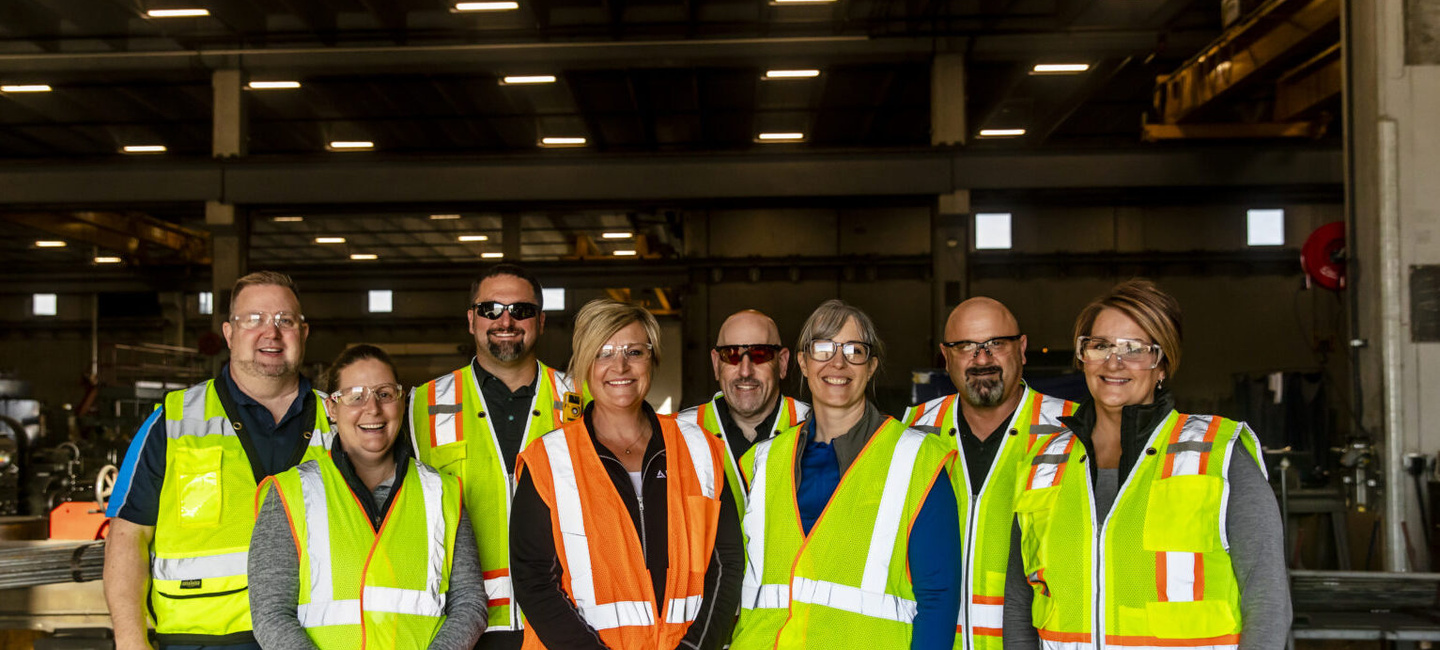
A safety committee is a team made up of employees and management representatives who meet regularly to identify hazards, review incidents and recommend improvements to workplace safety protocols. These committees serve as a critical link between frontline workers and leadership, helping ensure that safety isn’t just a top-down directive, but a shared responsibility.
Why Are Safety Committees Important?
Nebraska is the only state that requires all employers to have a safety and health committee, but fifteen other states require that employers have a safety and health committee under varying circumstances. But beyond meeting regulatory guidelines, safety committees provide real benefits:
- Improved Communication: Committees foster open dialogue between departments, shifts and job roles. This helps to uncover risks that may otherwise go unnoticed.
- Employee Engagement: When employees are directly involved in safety planning, they take more ownership over safety practices and look out for their coworkers.
- Proactive Risk Management: Safety committees can review near-misses and safety audits to spot patterns and implement changes before incidents occur.
- Stronger OSHA Compliance: Regular meetings, documentation and follow-through demonstrate a serious commitment to workplace safety, critical during an OSHA inspection.
Key Functions of a Safety Committee
At OECS, we guide companies through forming and running effective safety committees. Core responsibilities typically include:
- Conducting and reviewing workplace safety inspections
- Reviewing incident and near-miss reports
- Assisting with job hazard analysis (JHA)
- Developing and distributing safety communications
- Planning safety training and awareness activities
- Monitoring corrective actions and follow-up
Safety Committee Best Practices
To get the most out of your safety committee, we recommend:
- Leadership Support: Management buy-in is essential. Leadership should attend meetings and act on committee recommendations.
- Clear Roles: Define responsibilities for each member and appoint a rotating chair or facilitator to keep meetings productive.
- Consistent Meetings: Meet monthly or quarterly and keep minutes to track progress over time.
- Training: Equip members with safety training and education relevant to your industry (manufacturing, construction, etc.).
Safety and Health Committees: Why It Matters
Safety committees can be tailored to your industry’s specific needs and state regulations. OECS helps companies across the upper Midwest and beyond to develop site-specific safety committee programs that align with OSHA standards and your operational realities.
OECS Safety Committee Support Services
OECS provides hands-on consulting and training to support your safety committee’s success. From assisting in setting up your first committee to coaching members how to run their safety committee meeting and assisting with developing your safety communication plans, we help you build a safety committee that’s both effective and compliant. Contact us today!
Need help forming or strengthening your safety committee?
OECS has helped hundreds of companies in Minnesota, Iowa, Wisconsin, North Dakota and South Dakota build stronger safety cultures. Contact us to learn more about our safety committee support services or to schedule a free consultation.