By Katie Johnson, MPH, CSP, Manager – EHS Strategy, and Anna Klenovich, Digital Services Specialist, U.S. Compliance
Workplace safety has undergone a profound transformation over the past decade. As employees become increasingly mobile – working across warehouses, production floors, outdoor sites, and multiple facilities – the traditional methods of managing safety information have struggled to keep pace. Paper binders, desktop-based systems, and delayed reporting processes simply cannot match the speed and complexity of modern operations. Today, safety demands immediacy, accuracy, and accessibility.
Digital, real-time tools are shaping a new era where every worker can access critical safety information instantly, no matter where they are. Mobile Safety Data Sheet (SDS) access, automated training systems, and integrated incident management platforms empower organizations to respond faster, reduce risk, and build stronger safety cultures. This article explores how these technologies work together to streamline processes, enhance compliance, and most importantly, protect people when it matters most.
The Shift Toward Mobile, Connected Safety Systems
The days of relying solely on SDS binders stored in a distant office or break room are long gone. In fast-moving environments such as manufacturing, logistics, healthcare, and construction, incidents unfold in seconds. When a chemical spill or equipment malfunction occurs, employees cannot afford to waste time flipping through outdated sheets or searching for a supervisor.
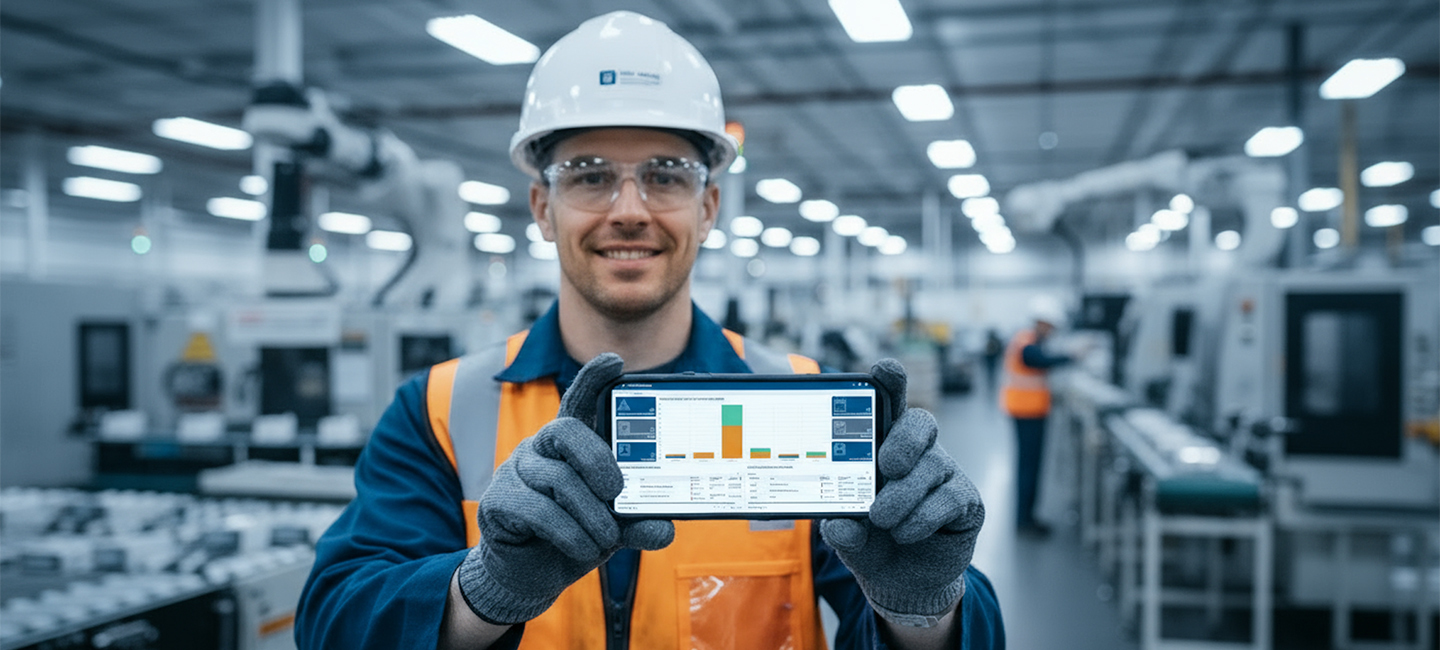
Real-time digital systems bridge this gap with modern safety platforms putting essential tools directly into the hands of employees. Workers can now access SDS libraries from their phones, complete training modules on tablets, report incidents immediately, and view corrective actions, all within a unified system.
This shift represents more than technological progress. It reflects a strategic change in how organizations view safety – not as a separate administrative function, but as an integrated, responsive, everyday practice embedded into workflow.
The Risks and Limitations of Traditional Systems
Before exploring the benefits of mobile technology, it’s important to understand the challenges that legacy systems create. During an emergency, traditional methods often break down in predictable ways:
1. Delayed Access to Hazard Information
Physical SDS binders are rarely located at the point of need. Workers may have to leave the incident area, search multiple locations, or rely on outdated documents that haven’t been replaced. Studies have shown it often takes 8 to 12 minutes to locate the correct SDS in a binder system, which is precious time lost when every second counts.
2. Increased Stress and Decision-Making Pressure
Without immediate access to verified hazard details, employees and supervisors must make critical decisions based on memory or guesswork. This can lead to improper PPE use, delayed containment, or incorrect first-aid responses.
3. Inconsistent or Incomplete Reporting
Traditional incident reports are often completed hours after the event, leaving room for missing details and memory gaps. This delay impacts investigations, trends analysis, and compliance.
4. Manual, Slow Administrative Processes
Paper forms, disconnected systems, and siloed data slow down compliance tracking. Corrective actions may be forgotten, training may be delayed, and documentation may fall through the cracks.
These limitations underscore the need for safety systems that match the speed and mobility of today’s workforce.
How Mobile SDS Access Changes Emergency Response
Mobile SDS access is a game-changer in emergency response. Instead of searching for binders, employees can scan a QR code on a container, search by product name, or access the full library from any device. Within seconds, workers can view:
- Hazard classifications
- PPE requirements
- First aid instructions
- Spill response procedures
- Storage and handling guidelines
In one example, a forklift operator punctures a drum of industrial solvent, splashing a nearby worker. With a paper-based system, responders may lose valuable minutes identifying whether the chemical is flammable, corrosive, or toxic. With a mobile SDS manager, the correct document is accessible in 15-30 seconds, enabling swift and informed action.
This rapid access significantly alters the outcome. Organizations implementing mobile SDS solutions have reported:
- 85% reduction in emergency response time
- 40% decrease in injury severity
- Savings of up to $12,000 per incident from reduced downtime and improved control
Mobile access doesn’t just improve speed, it ensures accuracy, consistency, and confidence during critical moments.
Integrating Training with Real-Time Learning Needs
Training has traditionally been a reactive process that’s scheduled weeks after an incident in a classroom that’s often disconnected from the immediate context of the hazard. Digital Learning Management Systems (LMS) flip that model on its head.
With real-time training tools, supervisors can assign modules directly in response to an incident. Employees receive instant alerts and can complete short, interactive lessons on any device. This type of micro-learning is more relevant, timely, and easier to retain.
For example, after a chemical spill, affected employees can be assigned a spill response training module that:
- Reinforces proper procedures
- Addresses the specific hazard encountered
- Documents competency automatically
- Ensures all training records remain audit-ready
This process that once took days or weeks can now be completed in under 24 hours. Digital training systems turn every incident into an opportunity for immediate learning and improvement.
Seamless Incident Reporting and Follow-Up
One of the most powerful aspects of real-time digital safety tools is the way they unify reporting, investigations, corrective actions, and compliance. With a mobile app, employees can report incidents instantly with:
- Photos
- Timestamps
- GPS locations
- Notes
Supervisors are notified within seconds and can begin reviewing the event immediately. This immediacy ensures accuracy and enhances the quality of investigations.
The management system then automatically:
- Schedules follow-up inspections
- Creates corrective action tasks
- Tracks progress
- Sends reminders
- Stores documentation for audit readiness
Even regulatory reporting becomes simpler. For example, if a spill involves a regulated substance, the system can flag required EPA Tier II reporting and assign tasks automatically with links to relevant forms. Compliance becomes proactive rather than reactive.
Building a Culture of Prevention Through Employee Engagement
Digital systems don’t only improve reaction, they strengthen prevention. When employees can quickly submit observations, near-miss reports, or hazard photos from their mobile devices, they become active participants in safety culture.
For example, if an employee in a warehouse were to notice unstable chemical storage racks, they can submit this observation immediately. Within minutes, their supervisor can assign a corrective action, and the issue is resolved the same day.
These micro-interventions accumulate into a powerful culture of awareness and accountability. Engagement increases, risks decrease, and safety becomes a shared responsibility. In fact, organizations using integrated digital systems report over 300% increases in workforce safety participation.
Data-Driven Insights for Continuous Improvement
All activities including SDS access, reports, inspections, training, and corrective actions feed into a central dashboard where leaders can track key metrics in real time. Trends become visible quickly:
- Are chemical incidents increasing?
- Are certain shifts missing trainings?
- Are corrective actions closing on time?
- Which hazards are being reported most often?
This visibility empowers leaders to take targeted action. Digital analytics transform safety management from reactive to predictive, helping organizations anticipate and prevent future incidents.
Conclusion
Safety is no longer confined to binders, desktops, or dusty shelves. With the rise of mobile, real-time digital tools, organizations can bring safety directly into the hands of their workforce. Integrated systems that combine SDS access, training, incident reporting, inspections, and data analytics are revolutionizing how teams respond, learn, and improve.
These tools don’t replace people – they empower them. They reduce response times while increasing engagement, ensuring compliance, and ultimately saving lives. As workplaces continue to evolve, embracing real-time digital safety solutions is no longer optional. It’s the key to building safer, smarter, and more resilient organizations.
U.S. Compliance empowers organizations to implement real-time safety tools that enhance engagement, improve compliance, and protect their workforce. Contact us today to bring smarter, faster, and more connected safety solutions to your organization.