Navigating Tier II Reporting: A Comprehensive Guide to Compliance
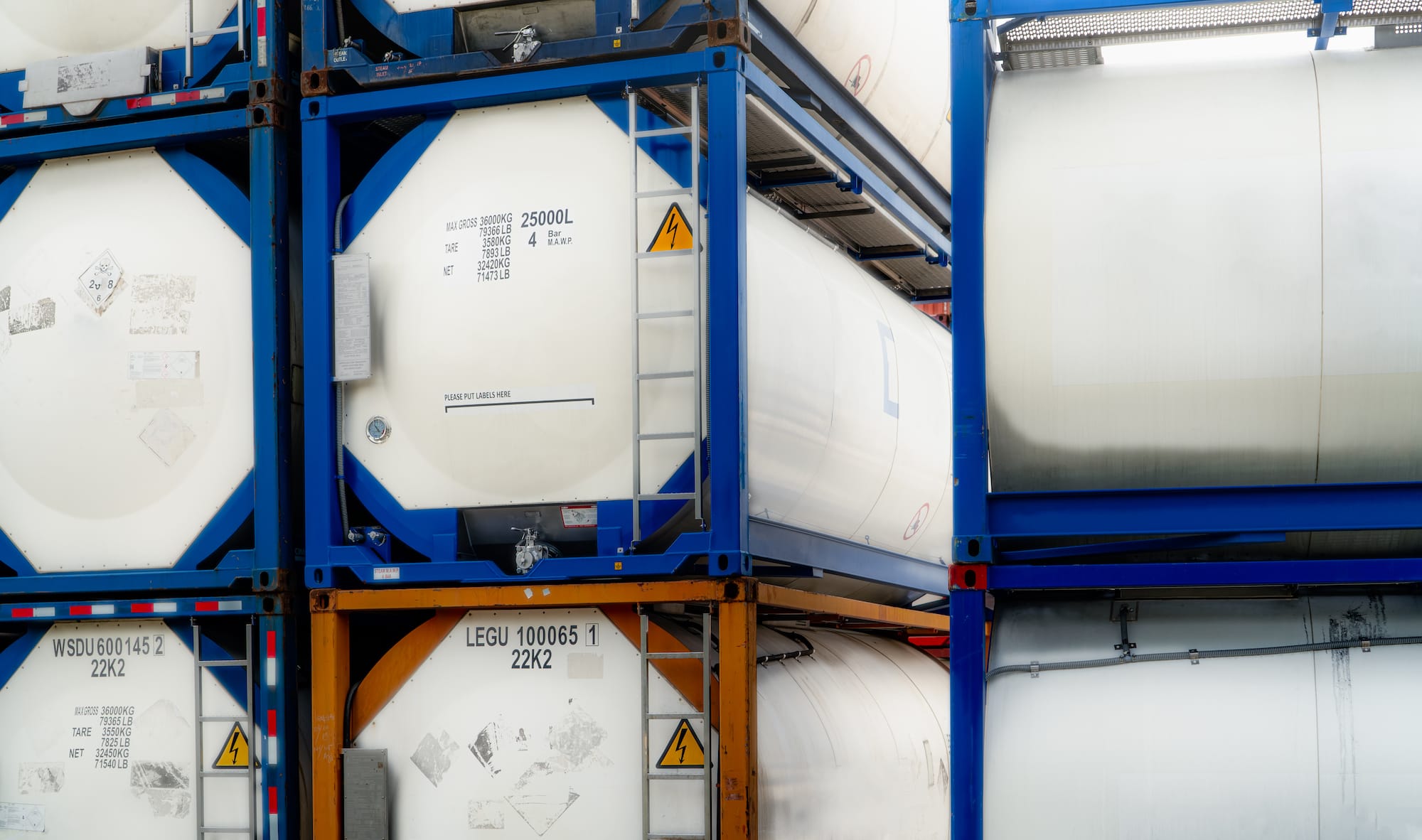
Navigating Tier II reporting under the Emergency Planning and Community Right-to-Know Act (EPCRA) is crucial for industries dealing with hazardous chemicals. This comprehensive guide will walk you through the essentials of Tier II reporting, offering practical insights and guidance for compliance.

Elevating Safety Standards: Effective Personal Protective Equipment (PPE) Management
A safety professional’s primary purpose is to identify, analyze, and eliminate hazards before the risk of potential employee exposure. While many of these hazards can be controlled through means of workplace design and modification, some hazards are not as easily controlled and can remain even after thorough process improvements. For the hazards that continue to exist, the last line of defense in the safety arsenal is Personal Protective Equipment (PPE).
OSHA Recordkeeping: 2023 Update—What You Need to Know and Do
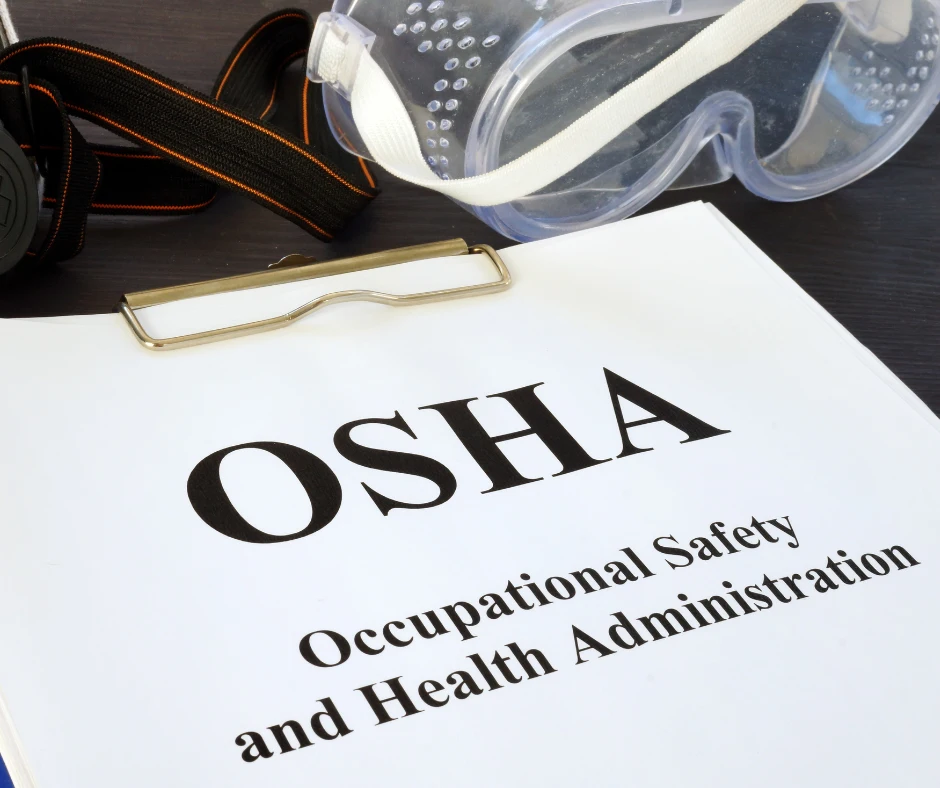
The statistics on OSHA recordkeeping citations aren’t getting any better. Last year, we reported 505 citations and $1.99 million in penalties for the twelve months
Why Outsource?
You can’t do everything! Well, I guess you can try but can you do them all well at the same time? One of the biggest

How to build a grateful workplace
While Thanksgiving gives us a day to count our blessings, much can be said for the benefits of cultivating an attitude of gratitude year-around, a

SAFETY COMMITTEE MEETINGS: TIPS TO TRANSFORM VS TOLERATE THEM
How would you rate the effectiveness of your safety committee meetings on a scale of 1-10 (10 being GREAT)? If you’re normal, your average meeting
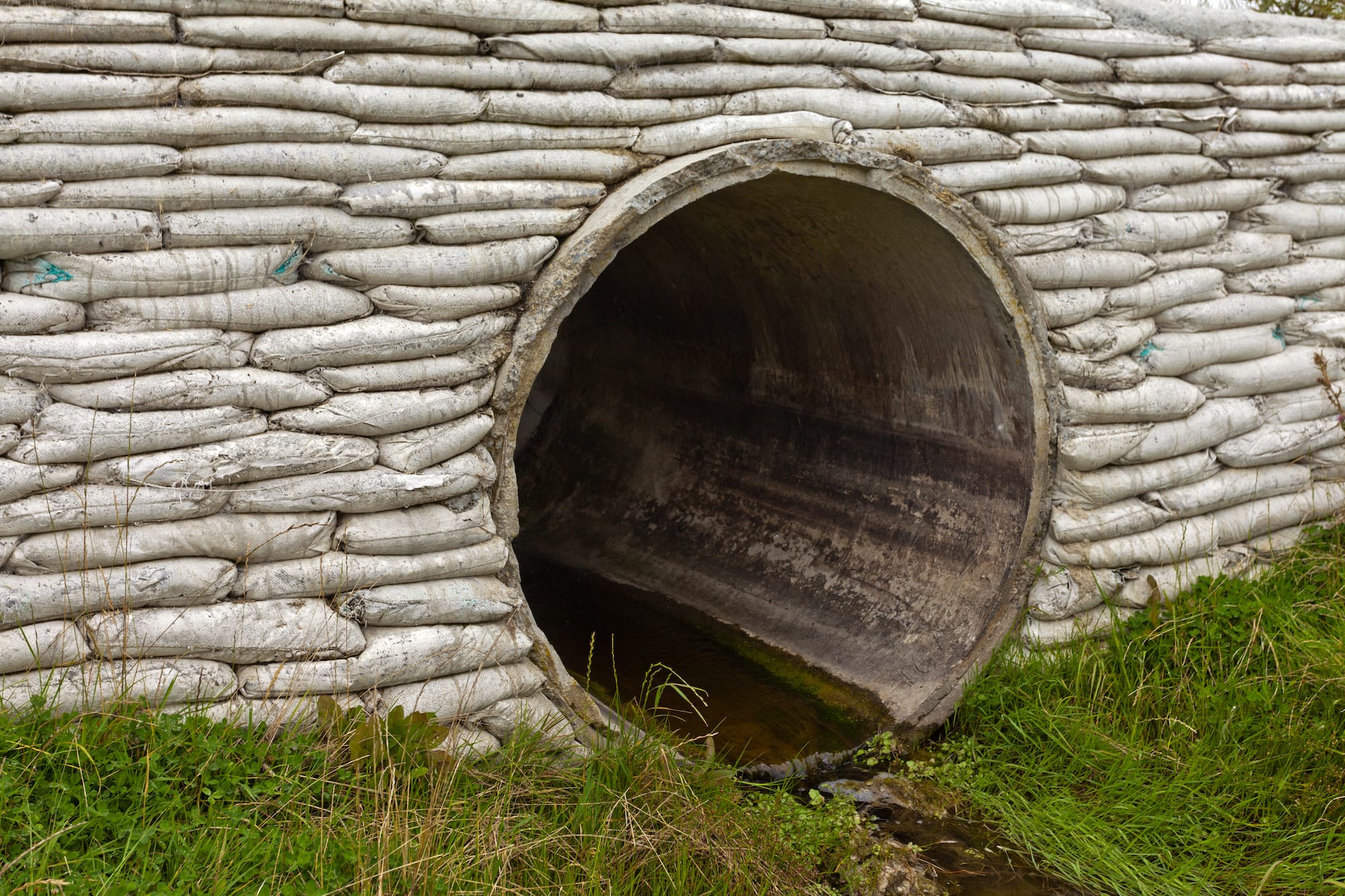
The Importance of the New EPA Storm Water Permit in Illinois
When it comes to protecting the environment and ensuring regulatory compliance, the Illinois Environmental Protection Agency (IL EPA) plays a crucial role. As part of their efforts, the IL EPA issues storm water permits to industrial sites. These permits, authorized under the Clean Water Act, are essential for maintaining water quality and preventing pollution. In this comprehensive guide, we will explore the significance of EPA storm water permits in Illinois and take a look at the new permit put into place on July 1, 2023.

6 Workplace Cold Weather Safety Tips
In the Midwest, we love and appreciate the beauty of winter, but it’s important to be prepared for the cold, wet and windy conditions. Being
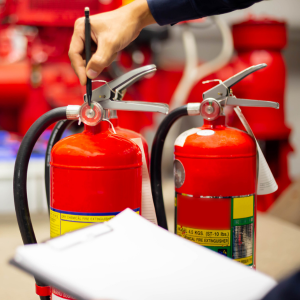
Fire Safety and Prevention in the Workplace: What You Need to Know
On average, municipal fire departments respond to nearly 38,000 fires at industrial or manufacturing properties every year. The annual losses are estimated to be sixteen

Dust Can Be Deadly
Beginning in 2007, OSHA increased its inspections and enforcements of combustible dust National Emphasis Programs (NEPs). Based on the agency’s enforcement history, OSHA revised the
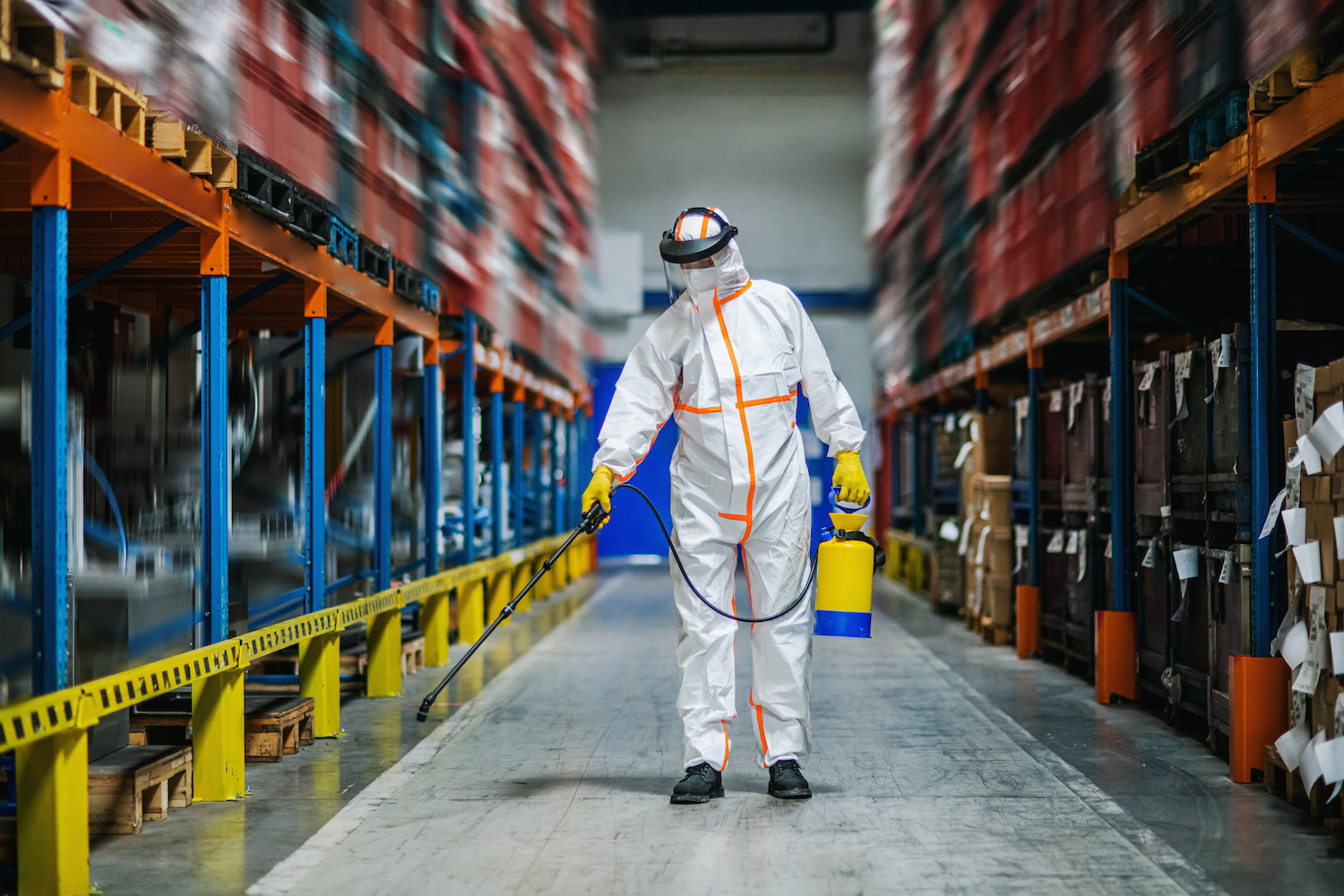
Industrial Hygiene: A Guide to Frequently Asked Questions
By implementing policies and procedures that reduce or eliminate common risks, workplace hygiene measures keep employers accountable for potential workplace hazards and maintain the safety of their employees.
The Occupational Safety and Health Administration (OSHA) defines industrial hygiene as the process of recognizing, evaluating, and controlling potentially harmful hazards in or around the workplace that may impact employees by causing injury or making them ill.

Violence In The Workplace: What It Is and Why It’s Important
Workplace violence is the third leading cause of fatal occupational injuries in the US. To put that into perspective, the Bureau of Labor Statistics Census