
Demystifying Hazardous Materials Reporting: A Guide for Businesses
In the fast-paced landscape of modern industry, where businesses strive for excellence in productivity and innovation, safety and compliance often take center stage. One critical
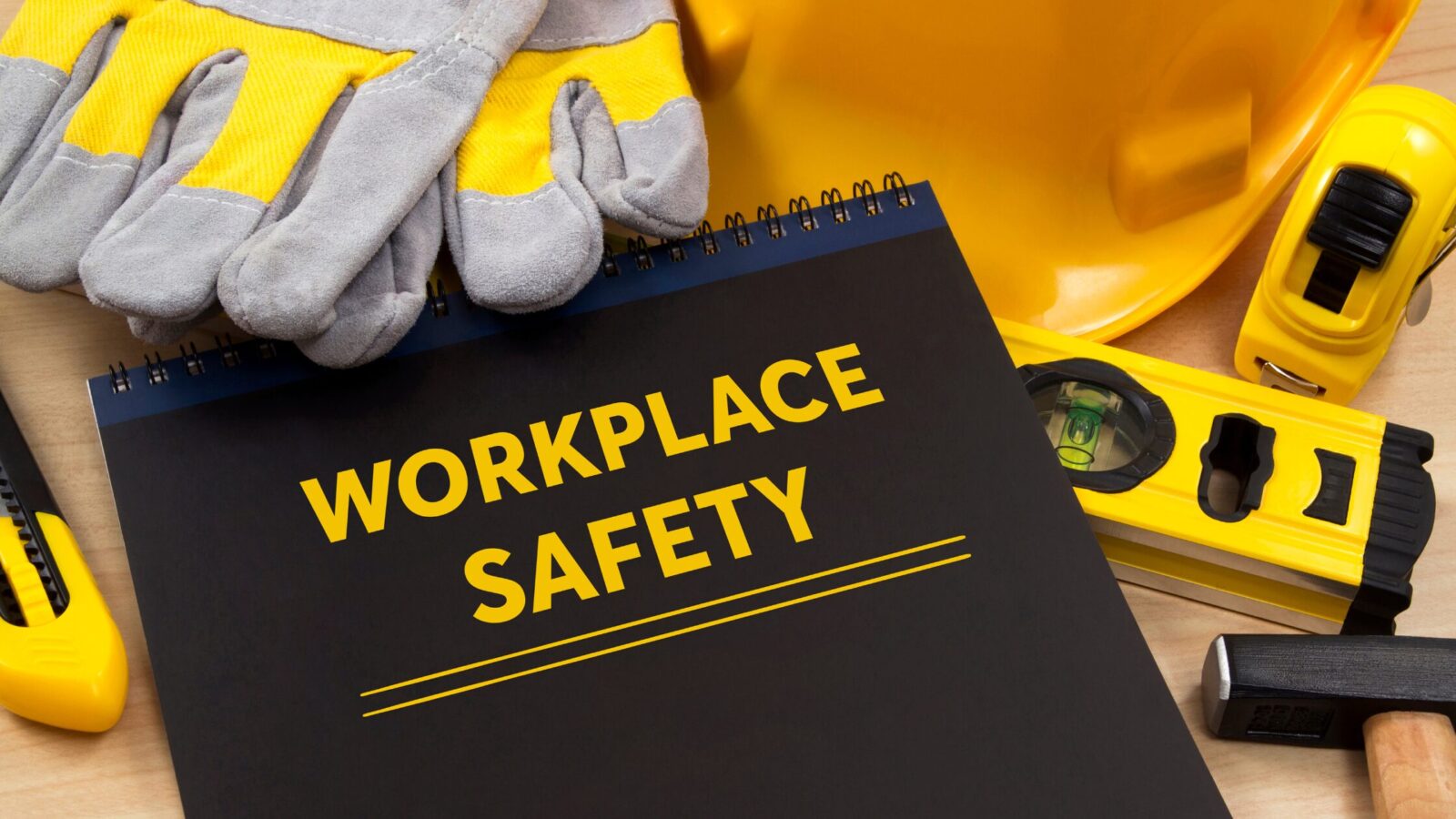
Creating a Safety Roadmap: Key Steps to Developing an Effective Workplace Safety Plan
Workplace safety is more than just a requirement—it’s essential to protecting your team and ensuring your business runs smoothly. A well-thought-out safety plan not only
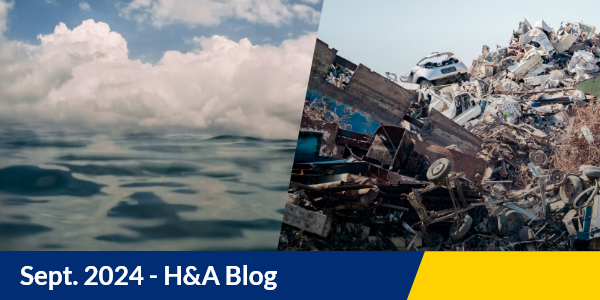
Eco-Conscious Compliance: Navigating Water Discharge, Quality, and Air Emissions
In an era where environmental consciousness is paramount, businesses are increasingly recognizing the importance of environmental health and safety (EHS) compliance. At Hellman & Associates,

Enhancing Workplace Safety with Subtle Nudges
Have you ever wondered how small adjustments can lead to stronger workplace safety behaviors? This is the essence of nudge theory, a concept in behavioral

Ensuring Safety in Metal Fabrication: Common Industrial Hygiene Testing Needs
Metal fabrication is a cornerstone of modern industry, playing a vital role in sectors ranging from automotive to construction. This process, which includes cutting, welding, brazing, and assembling metal, poses numerous health risks to workers due to hazardous substance exposure. Industrial hygiene testing is essential in identifying and mitigating these risks, ensuring a safe and compliant workplace. This blog post delves into the common industrial hygiene testing needs associated with metal fabrication, offering a detailed guide to fostering a healthy work environment.
Announcing the EPA’s e-Manifest Final Third Rule
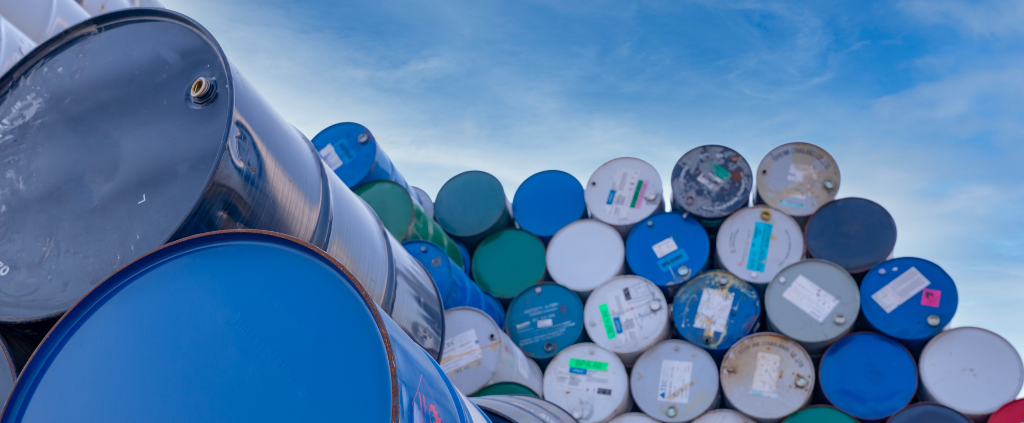
The EPA Administrator finalized an amendment to hazardous waste manifest regulations under the Resource Conservation and Recovery Act (RCRA) with the e-Manifest Third Final Rule. This amendment is designed to encourage hazardous waste generators to adopt the electronic Hazardous Waste Manifest system (e-Manifest) to enhance compliance monitoring and improve access to information availability.

Navigating Safety: Ensuring DOT/FMCSA Compliance for Companies
In the fast-paced world of transportation and logistics, safety isn’t just a priority—it’s a necessity. With the Department of Transportation (DOT) and the Federal Motor Carrier Safety Administration (FMCSA) enforcing stringent regulations, compliance is not optional. Failure to adhere to these regulations not only poses a risk to the safety of your workforce and the public but also invites hefty fines and potential business disruptions. This is where Hellman & Associates steps in. With our expertise in outsourced Environmental Health and Safety (EHS) compliance management, we keep your vehicles on the road, ensuring your operations remain safe, efficient, and compliant.

Leveraging Technology for Safety Hazard Management
In today’s fast-paced industrial environment, ensuring workplace safety is a top priority. Companies must navigate an intricate landscape of regulations, hazards, and risks to protect their employees and maintain operational efficiency. Traditional methods of managing hazards, often relying on paper-based systems, can be cumbersome, inefficient, and prone to errors. Enter the EHS Gateway’s Safety Action Item List—a digital tool designed to streamline the management of safety hazards, mitigate risks, and foster a culture of safety. The Safety Action Item List, along with our EHS Gateway platform, is included in your Compliance as a Service (CaaS) program at no additional cost.

OSHA Proposed Heat Stress Standards
Just in time for the predicted hot summer, OSHA released its long-anticipated heat stress standard. It is a broad standard that, if finalized, will apply

Summer Safety: Enhancing Process Safety Management Systems in Warmer Months
As the temperatures rise and industries ramp up their operations during the summer months, it’s crucial to pay attention to process safety management (PSM) systems.

How to Select the Right Respiratory Protection
Across all facilities, ensuring the safety and health of workers in environments with potential airborne contaminants is paramount. Respiratory protection is a critical component of workplace safety, designed to protect employees from inhaling harmful substances that can cause severe health issues. This comprehensive guide covers the basics of selecting the right respiratory protection, from identifying air contaminants to choosing the appropriate respirator.