
Understanding and Preventing Heat Stress in the Workplace
As temperatures rise during the warmer months, so do the risks of heat exposure in the workplace. Employees across many industries are vulnerable to heat stress, a serious condition if not properly managed. With growing concerns around employee safety, productivity, and regulatory compliance, employers must take steps to mitigate the impact of heat in their working environments. This article explores how heat stress occurs, who is at risk, common symptoms, and practical strategies to protect your workforce and maintain a safe, compliant work environment.

Streamlining Chemical Management With the SDS Manager
Safety Data Sheets (SDSs) under the OSHA Hazard Communication Standard, are critical to ensuring workers have access to the information they need about the chemicals they handle. To support manufacturers in meeting these requirements, the SDS Manager provides a structured, reliable solution for managing chemical safety data and maintaining regulatory compliance.

Identifying PFAS in Your Industrial Water Systems
As regulatory agencies intensify their focus on environmental protection, Per- and Polyfluoroalkyl Substances (PFAS) have become a critical concern in water management. This article provides a comprehensive overview of PFAS chemicals, current and emerging water regulations, and practical guidance on how manufacturing facilities can identify sources of PFAS and implement compliant water management strategies.

Protecting Your Business and the Planet: How Environmental Compliance Can Give You Peace of Mind
Let’s be honest—keeping up with environmental regulations can feel overwhelming. With rules coming from federal, state, and local agencies, it’s easy to feel like you’re

Why Safety Audits Are Critical for Summer Worksite Compliance
Summer is peak season for outdoor work — from construction sites to manufacturing facilities operating at full capacity. But with warmer weather comes a unique
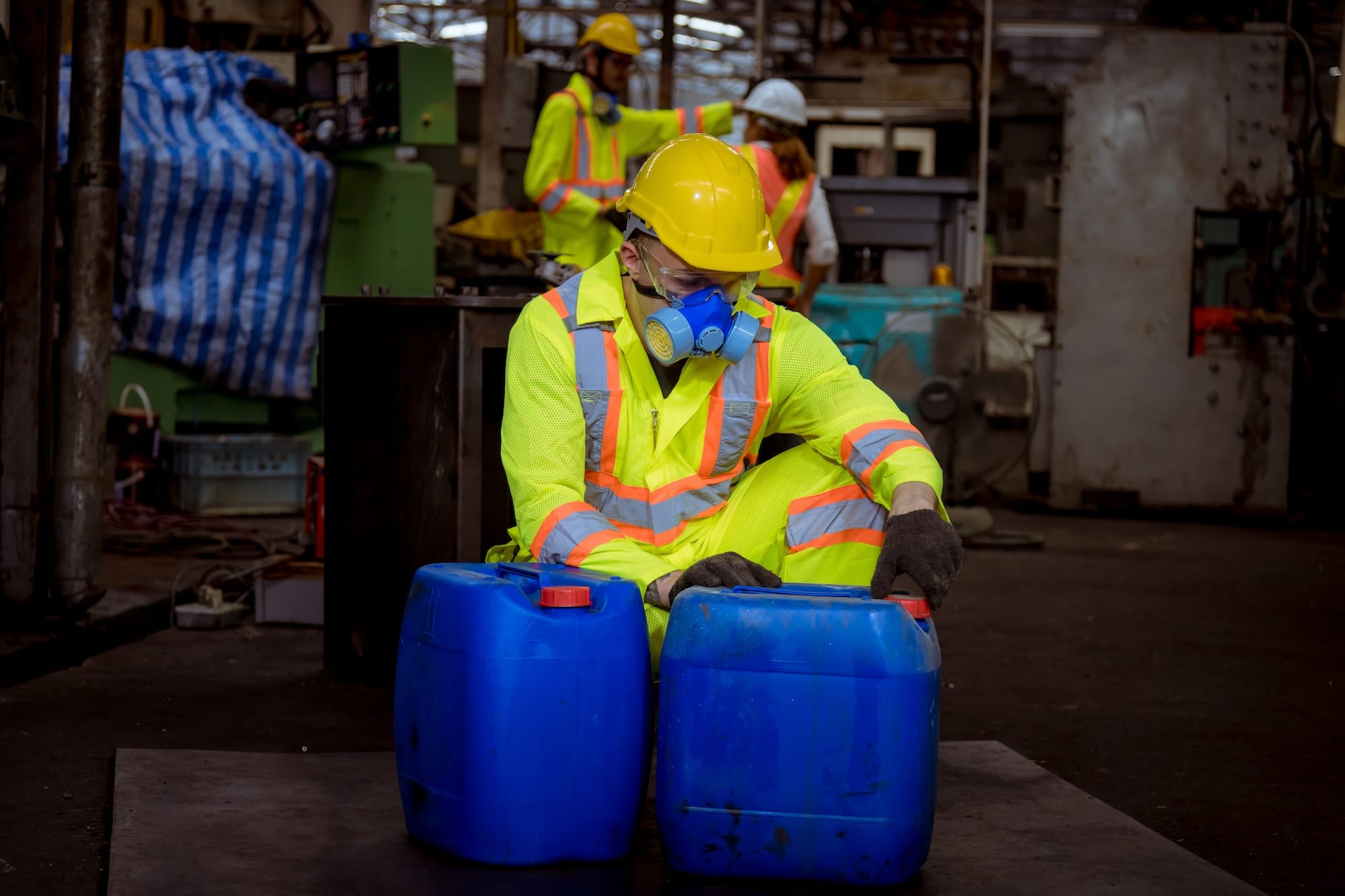
What are OSHA’s Industrial Hygiene Testing Requirements?
Industrial hygiene plays a crucial role in identifying, evaluating, and controlling these hazards to ensure worker safety and regulatory compliance. As organizations strive to create healthier workplaces and reduce occupational illnesses, understanding the principles of industrial hygiene and its regulatory implications becomes essential. This article will explore the fundamentals of industrial hygiene, whether industrial hygiene testing is required by the Occupational Safety and Health Administration (OSHA), the general requirements employers must follow, what is commonly tested in workplace settings, and the U.S. Compliance testing process.

How to Conduct an Incident Investigation Using the 5 Whys Method
When a workplace incident occurs — whether it’s a near miss, injury or property damage — it’s critical to dig deeper than surface-level explanations. At

Upcoming DOT Webinars
Upcoming DOT HAZMAT Training Webinars You can join the DOT Webinar Fundamentals Program for unlimited use, or you can register per webinar, per attendee. If

Safeguarding Lives: The Critical Role of Lockout/Tagout in Workplace Safety
In industrial and maintenance settings, the unexpected energization or startup of machinery can lead to severe injuries or fatalities. Lockout/Tagout (LOTO) procedures are essential safety

Ensuring Subcontractor Safety and Compliance: A Guide for General Contractors (GC)
As a General Contractor (GC), managing subcontractors effectively is a crucial part of ensuring the safety and compliance of any construction project. While subcontractors are

NFPA 70E Electrical Safety Training
The next class will be held on May 15, 8:00 am-12:00 pm at H&A’s Wheat Ridge, Colorado training facility. Please register by scanning the QR
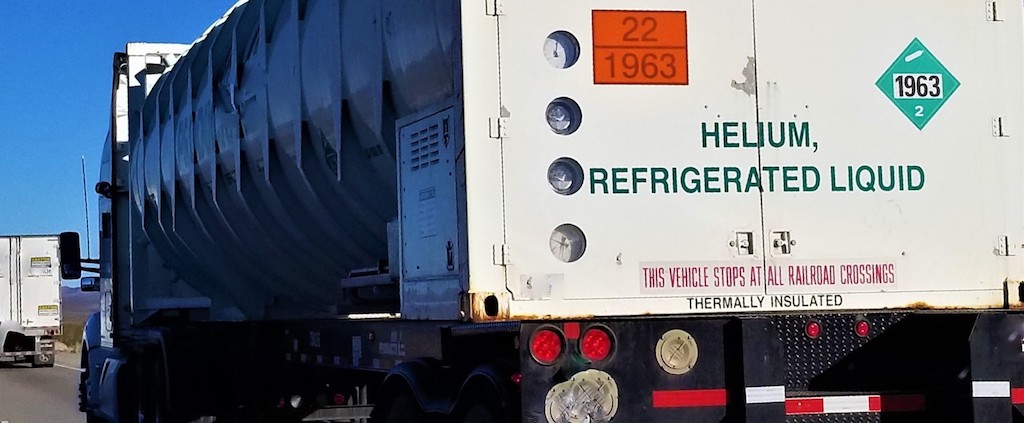
DOT Hazardous Materials – Understanding the Core Requirements
The transportation of hazardous materials (HazMat) within the United States is governed by the Hazardous Materials Transportation Act. These regulations are designed to “protect against the risks to life, property, and the environment that are inherent in the transportation of hazardous materials.” These regulations, found in Title 49 of the U.S. Code of Federal Regulations (CFR), establish the classification, labeling, packaging, and transport of hazardous materials as mandated by the Department of Transportation (DOT).